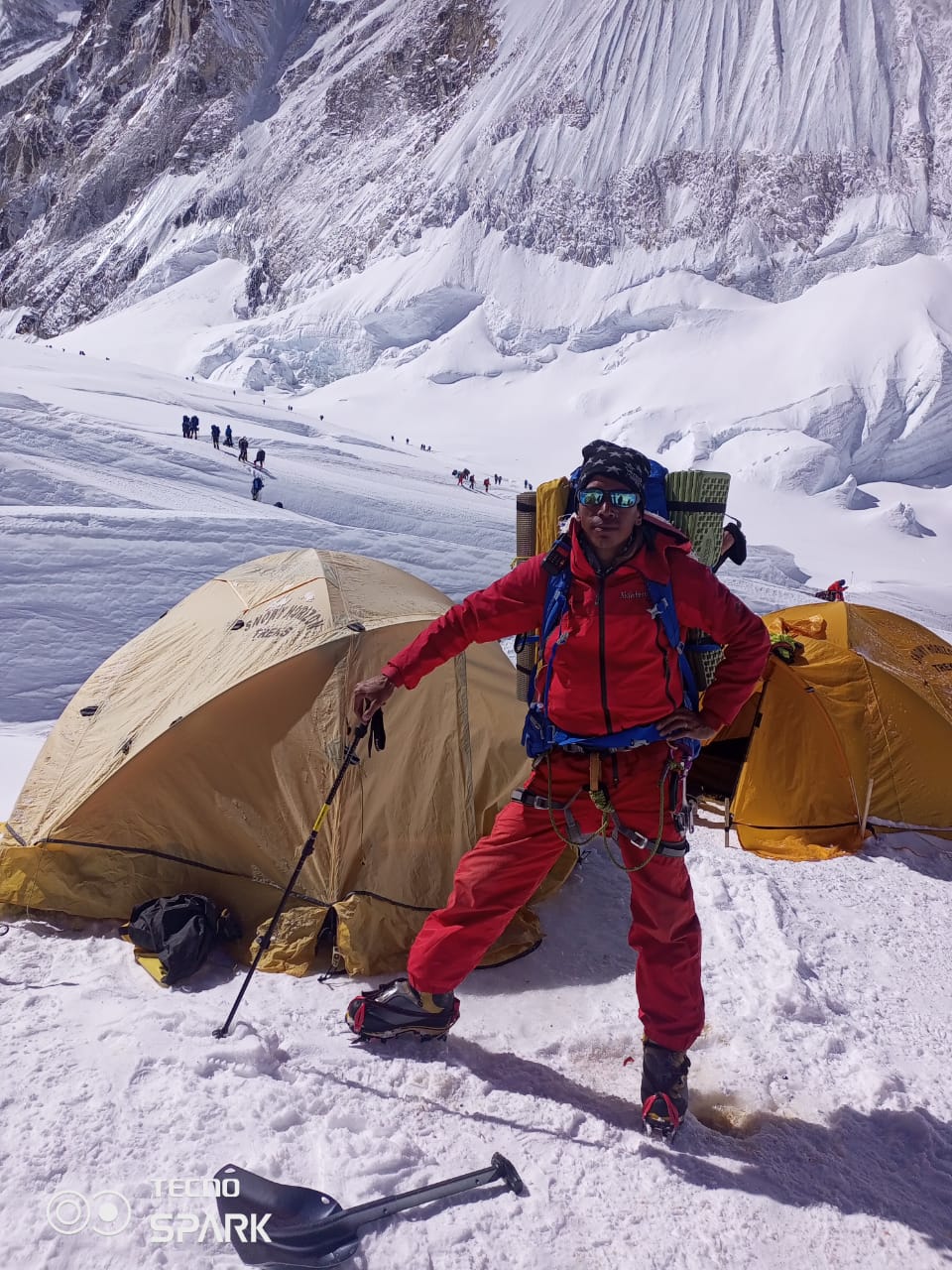
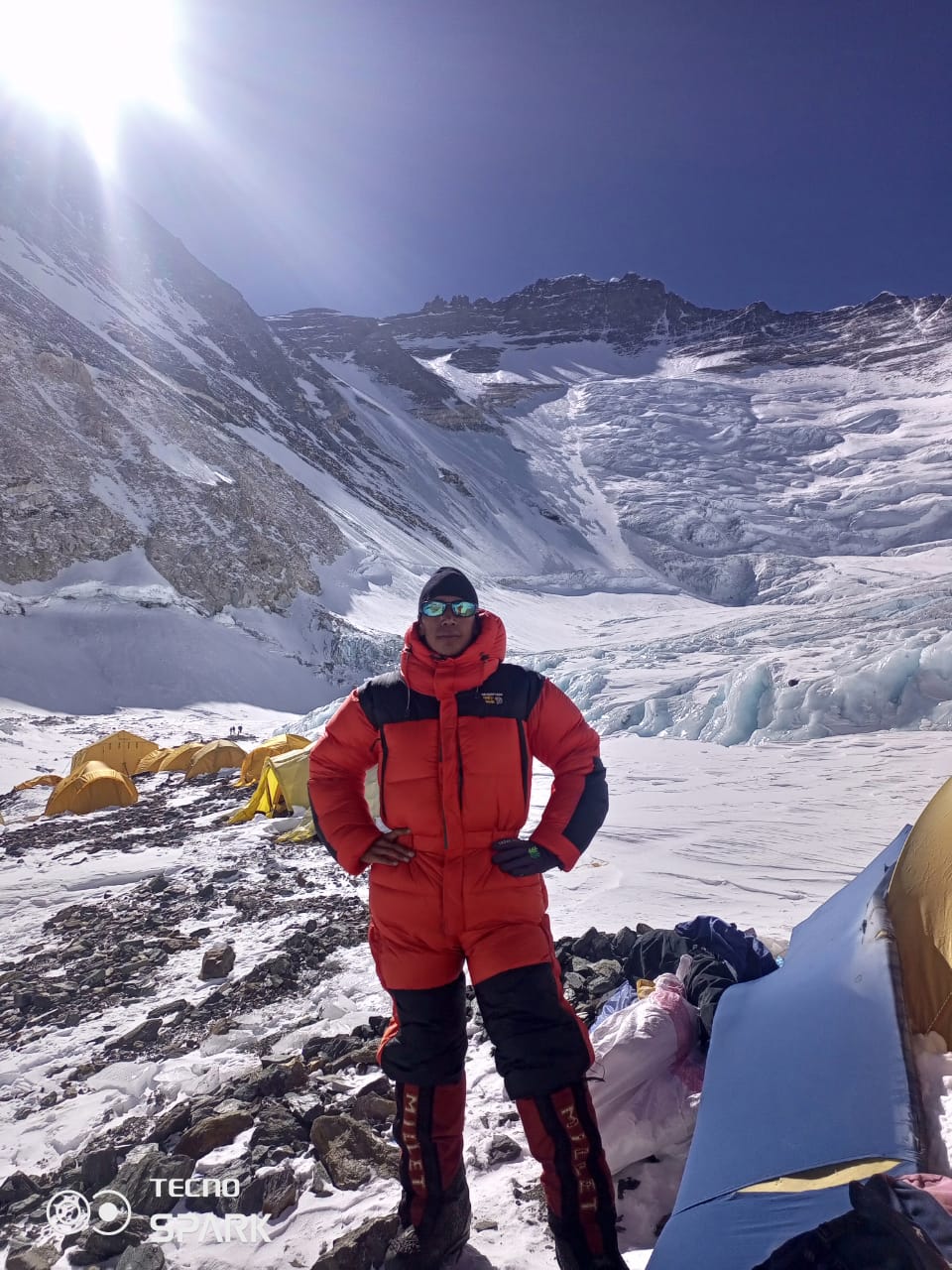
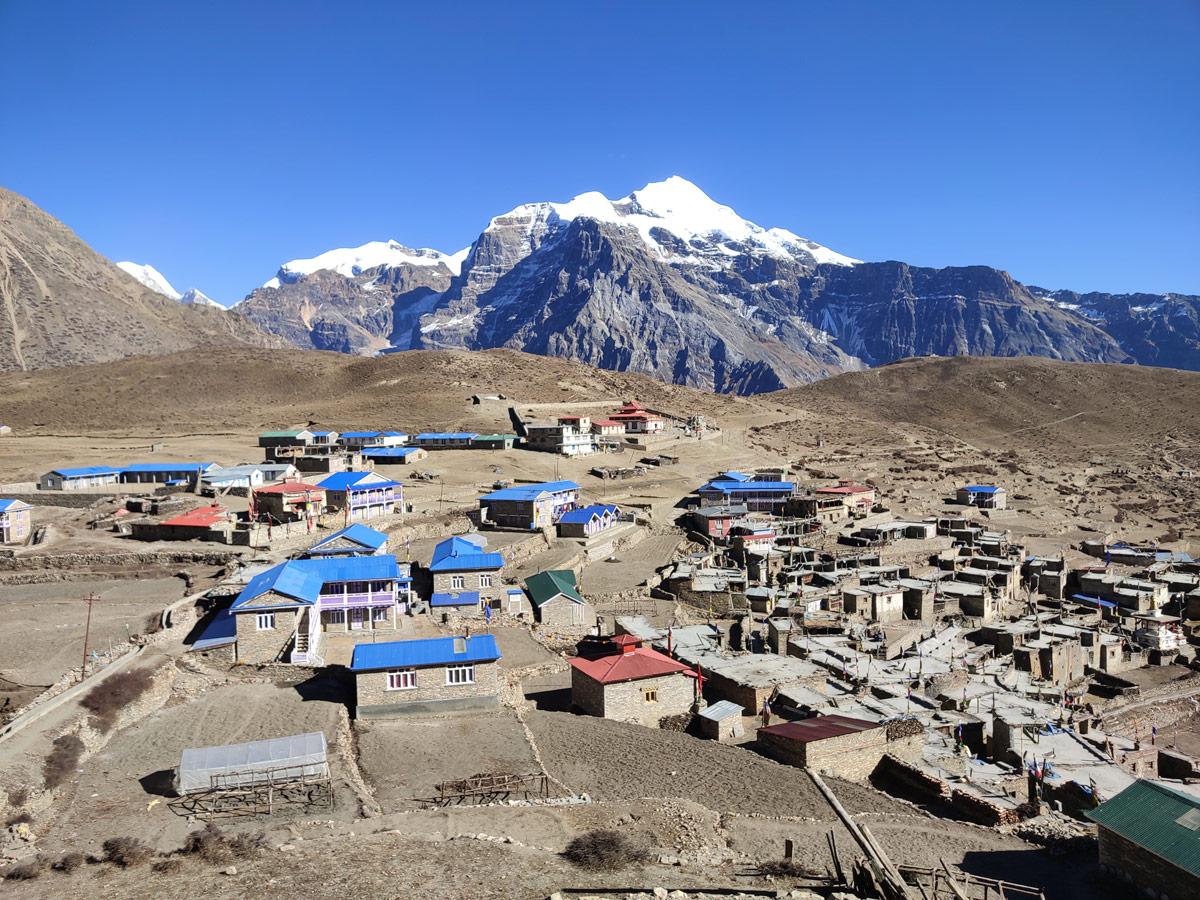
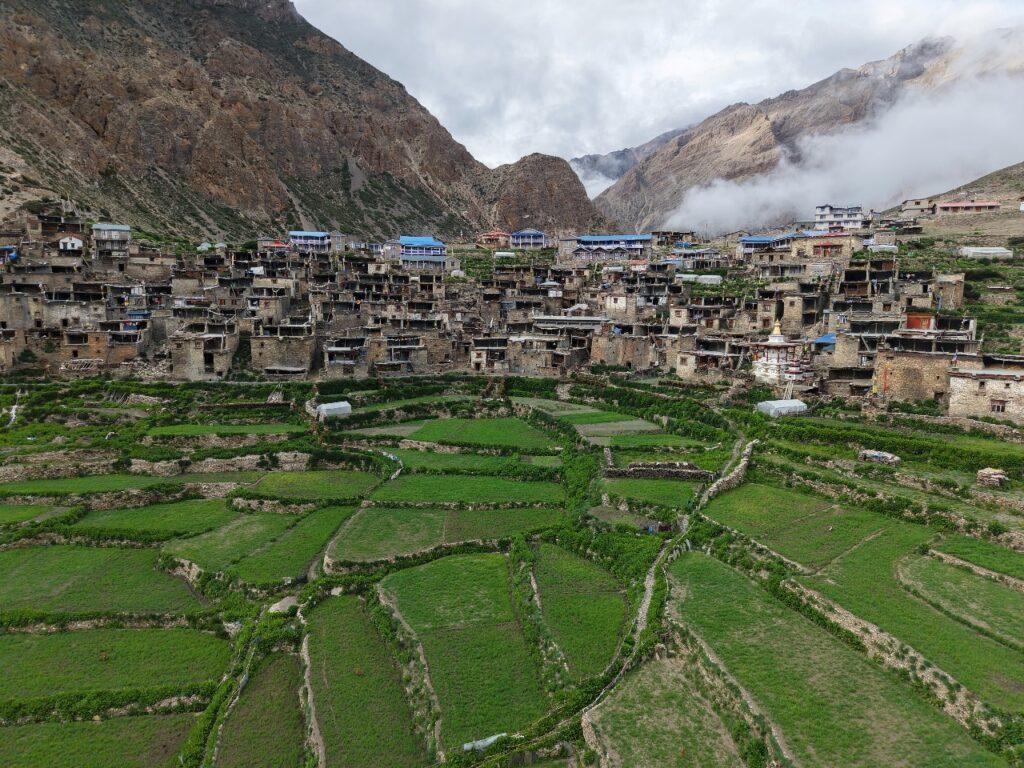
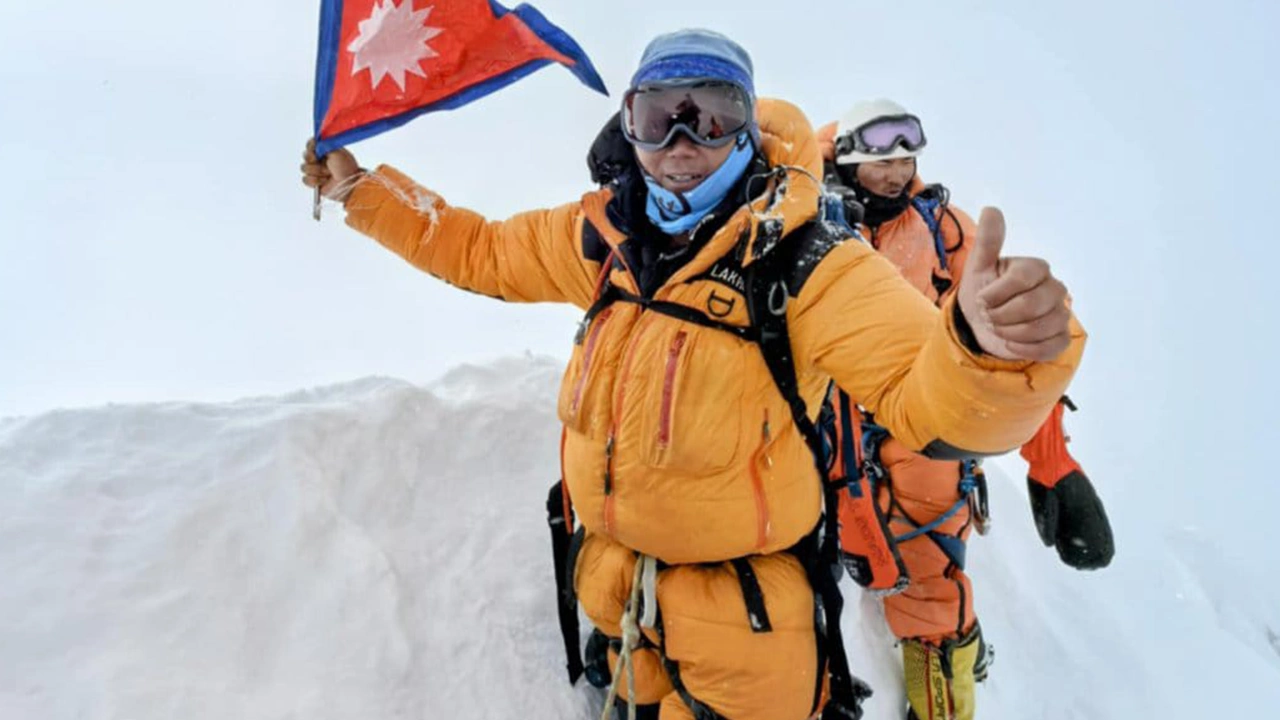
Respect your Sherpas, follow safety advice, and appreciate every member of the expedition team
Why Do You Need Travel Insurance for an Everest Expedition?
Climbing Mount Everest is one of the world's most demanding mountaineering achievements. Even experienced climbers face risks such as extreme weather, altitude-related illnesses, frostbite, falls, avalanches, crevasse accidents, and other unforeseen emergencies. Rescue operations in the Everest region are complex and expensive, making comprehensive travel insurance essential.
A reliable insurance policy allows you to focus on your expedition with greater confidence, knowing that you are protected if an emergency occurs.
With the right insurance, you can benefit from:
Emergency helicopter rescue and evacuation from any accessible point on the Everest expedition route. Search and rescue operations during mountaineering emergencies. Medical treatment, hospitalization, and emergency healthcare. Coverage for altitude-related illnesses, including Acute Mountain Sickness (AMS), High Altitude Pulmonary Edema (HAPE), and High Altitude Cerebral Edema (HACE). Coverage for injuries caused by falls, ice, rockfall, or other climbing-related accidents. Protection against trip cancellation, interruption, or delays due to weather, flight cancellations, or unforeseen circumstances. Coverage for lost, delayed, or damaged baggage and mountaineering equipment, depending on your policy. Greater peace of mind throughout your expedition.
What Should Your Insurance Cover?
Not all travel insurance policies cover Mount Everest expeditions. Before purchasing a policy, carefully read the terms and conditions to ensure it specifically covers high-altitude mountaineering on Mount Everest.
1. High-Altitude Mountaineering Coverage
Your insurance policy must specifically cover:
2. Emergency Helicopter Rescue and Evacuation
Emergency helicopter rescue is one of the most important features of an Everest Expedition insurance policy.
Your policy should include:
Emergency helicopter evacuation from Everest Base Camp and all accessible points along the climbing route. Helicopter rescue from Camps I and II where weather and operational conditions permit. Search and rescue operations coordinated with local authorities and rescue teams. Air evacuation to hospitals in Kathmandu or the nearest appropriate medical facility. Emergency transportation expenses.
Insurance coverage varies depending on your country of residence and the provider. Before purchasing your policy, confirm that it specifically covers:
Important Documents to Carry
Before leaving for your expedition, make sure you carry the following documents:
A printed copy of your travel insurance policy. A digital copy stored on your phone or accessible via email. Your insurance policy number. Emergency contact numbers for your insurance provider. Copies of your passport, Nepal visa, climbing permit, and other important travel documents.
It is also essential to provide a copy of your insurance policy to your expedition leader and the Nepal Voyage Treks Pvt. Ltd. office before departing for Everest Base Camp. Having this information readily available allows emergency rescue, helicopter evacuation, and medical assistance to be arranged quickly if required during your Everest Expedition.
Final Advice
Before purchasing travel insurance, read the policy carefully and ensure there are no exclusions for Mount Everest expeditions or climbing above 8,000 meters. If any part of the policy is unclear, contact the insurance provider directly for written confirmation.
Comprehensive travel insurance is not simply an additional expense—it is a vital safety measure that protects your health, finances, and well-being while attempting one of the world's greatest mountaineering challenges. Choosing the right insurance allows you to focus on your climb with greater confidence, knowing you are prepared for unexpected situations on the mountain.
- Emergency contact details for family members or next of kin.
Insurance covering lost, stolen, or damaged equipment can help reduce unexpected financial losses during your expedition.
7. Personal Liability
Personal liability coverage protects you if you accidentally cause injury to another person or damage someone else's property during your expedition.
Recommended Travel Insurance Providers
Several international insurance companies offer specialized policies for high-altitude mountaineering expeditions.
Some well-known providers include:
World Nomads Global Rescue Allianz Travel Insurance True Traveller (for eligible European residents) AXA Assistance
5. Trip Cancellation and Expedition Interruption
Everest expeditions may be delayed or cancelled due to poor weather, avalanches, route closures, illness, injury, government regulations, or flight cancellations to and from Lukla.
A comprehensive insurance policy should reimburse eligible non-refundable expenses if your expedition is cancelled, interrupted, or delayed for covered reasons.
6. Baggage and Mountaineering Equipment
An Everest Expedition requires expensive technical equipment, including:
High-altitude mountaineering boots. Crampons. Ice axe. Climbing harness. Helmet. Ascenders and descenders. Carabiners. Fixed-rope equipment. High-altitude down suit. Sleeping bag. Oxygen mask and regulator (if personally owned). Personal climbing gear.
- Helicopter rescue where operationally possible.
This coverage helps protect you from potentially significant medical expenses associated with high-altitude climbing.
4. Search and Rescue Operations
Because Mount Everest is a remote and technically demanding mountain, search and rescue operations may involve climbing Sherpas, rescue specialists, helicopters, and coordinated emergency teams.
Ensure your insurance policy clearly includes:
High-altitude search and rescue. Mountaineering rescue operations. Emergency coordination services.
Please note that helicopters cannot safely operate above certain altitudes, particularly near Camps III, IV, or the summit. In these situations, climbers are first assisted by Sherpas and rescue teams to lower elevations where helicopter evacuation becomes possible.
Helicopter rescue operations in the Everest region can cost between USD 5,000 and USD 15,000 or more, depending on the location, weather, and complexity of the rescue. Nepal Voyage Treks Pvt. Ltd. strongly recommends choosing an insurance policy that provides at least USD 100,000 to USD 200,000 in medical and emergency evacuation coverage.
3. Medical Expenses
Your insurance should provide comprehensive medical coverage for:
Emergency medical treatment. Hospitalization. Doctor consultations. Prescription medications. Diagnostic tests. Frostbite treatment. Treatment for altitude-related illnesses. Emergency transportation. Follow-up medical care after evacuation, where applicable.
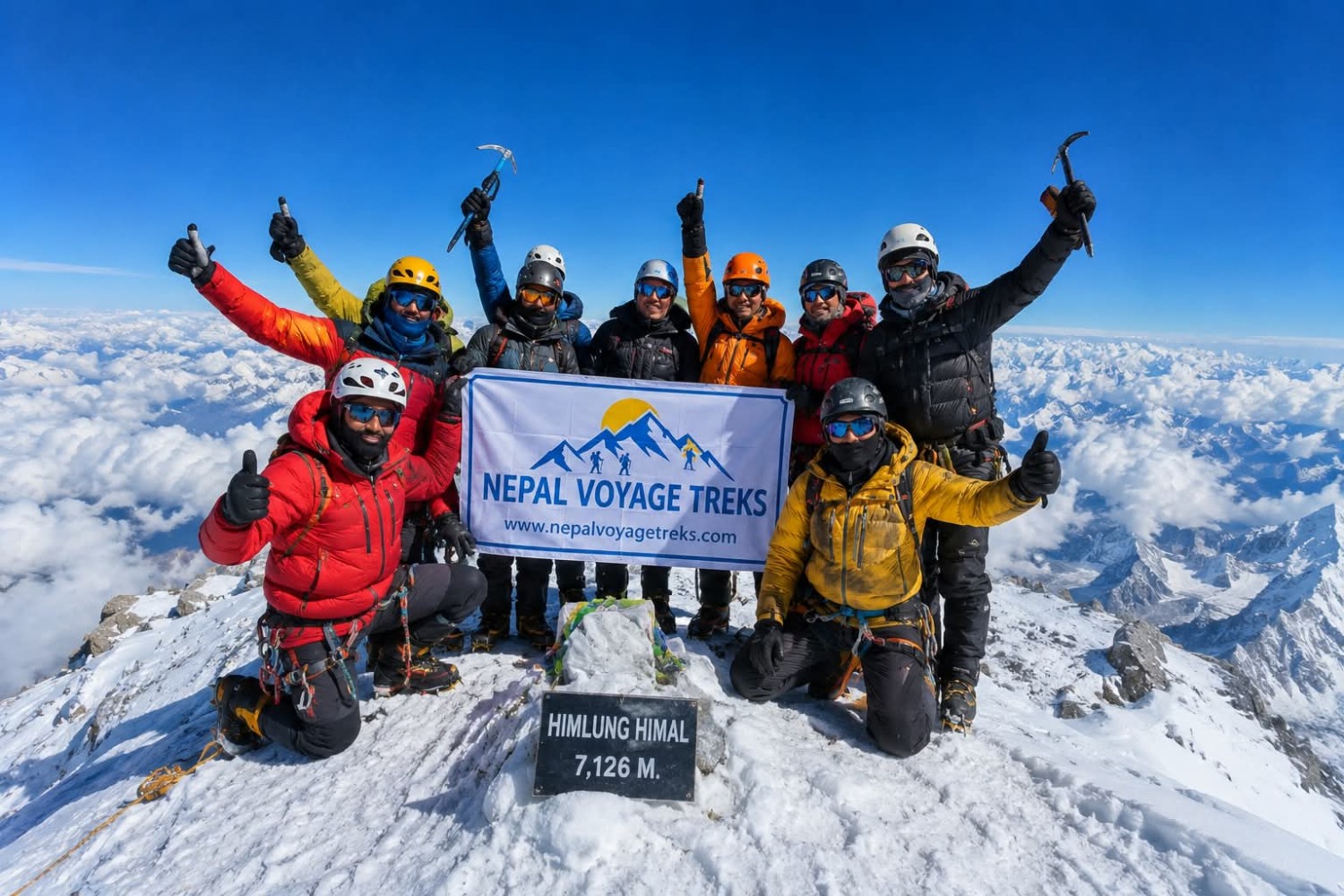
Himlung Himal Expedition 7,126 m
Complete Equipment, Medical, Documents & Insurance Checklist
Organized by Nepal Voyage Treks Pvt. Ltd.
Website: www.nepalvoyagetreks.com
1. Personal Mountaineering Equipment
Mountaineering helmet Mountaineering harness Crampons Technical ice axe Jumar / ascender Descender / belay device Locking carabiners Non-locking carabiners Climbing slings Prusik cord Safety lanyard Ice screws, if required Trekking poles Climbing backpack Summit backpack Headlamp Spare headlamp batteries Emergency whistle
The exact services included depend on the selected expedition package and final contract.
22. Final Pre-Expedition Checklist
Before travelling to Nepal, every climber should confirm:
☐ Passport is valid
☐ Nepal visa requirements checked
☐ Expedition insurance purchased
☐ 7,126 m mountaineering coverage confirmed
☐ Helicopter evacuation coverage confirmed
☐ Medical insurance confirmed
☐ Flight tickets confirmed
☐ Personal medical kit prepared
☐ Prescription medicines prepared
☐ Mountaineering boots tested
☐ Crampons tested with boots
☐ Harness checked
☐ Jumar / ascender checked
☐ Ice axe checked
☐ Down suit prepared
☐ Sleeping bag prepared
☐ Headlamp and spare batteries prepared
☐ Glacier goggles prepared
☐ High-altitude sunglasses prepared
☐ Personal clothing prepared
☐ Personal hygiene kit prepared
☐ Water bottles prepared
☐ Emergency contacts saved
☐ Insurance documents printed
☐ Passport copies prepared
☐ Digital document copies saved
☐ Mountaineering experience reviewed
☐ Physical training completed
Important Safety Notice
Himlung Himal at 7,126 m is a demanding high-altitude mountaineering expedition. Weather, snow conditions, avalanche risk, route conditions, altitude illness and other mountain hazards can change rapidly.
The expedition itinerary and summit schedule may therefore be changed by the expedition leader according to actual mountain conditions.
Summit success cannot be guaranteed. The safety of climbers and expedition staff always takes priority over reaching the summit.
Nepal Voyage Treks
Nepal Voyage Treks Pvt. Ltd. specializes in trekking, peak climbing and Himalayan expedition services for international adventurers.
Himlung Himal Expedition – 7,126 m
32 Days | Nepal | Nar Phu Valley | High-Altitude Mountaineering
Website: www.nepalvoyagetreks.com
Contact Nepal Voyage Treks for the latest expedition departure dates, group size, detailed quotation, permit requirements, climbing Sherpa arrangements and customized private expedition options.
The exact equipment required for the summit may be adjusted by the expedition leader according to current route and weather conditions.
21. What Nepal Voyage Treks Can Arrange
Nepal Voyage Treks can arrange and coordinate:
Airport arrival and departure Kathmandu hotel Expedition briefing Government permit procedures Restricted-area permits Transportation Trekking accommodation Meals Porters Expedition staff Climbing Sherpa support Base Camp logistics Tents Expedition kitchen High-altitude food Group climbing equipment Fixed-rope coordination Communication Weather information Medical and emergency coordination Summit logistics Return transportation to Kathmandu
If serious altitude symptoms develop, the climber should immediately inform the expedition leader or Sherpa team.
Safety always comes before reaching the summit.
20. Summit-Day Equipment
For the summit push, climbers should have:
Expedition down suit High-altitude mountaineering boots Crampons Mountaineering harness Helmet Technical ice axe Jumar / ascender Descender Carabiners Climbing sling Prusik cord Glacier goggles Sunglasses Expedition gloves Expedition mittens Balaclava Headlamp Spare batteries Water bottle Thermos Energy snacks Personal medicines Emergency equipment Summit backpack
Nepal Voyage Treks can provide expedition briefings and climbing guidance, but climbers should arrive with an appropriate level of previous mountaineering experience.
19. Acclimatization Requirements
Proper acclimatization is essential on Himlung Himal.
The expedition itinerary includes progressive altitude gain, rest periods and climbing rotations to allow the body to adapt to high altitude.
Climbers should monitor symptoms such as:
Headache Nausea Dizziness Unusual fatigue Loss of appetite Poor coordination Shortness of breath Confusion Persistent cough Difficulty sleeping
Previous high-altitude experience is strongly recommended.
18. Technical Mountaineering Skills
Climbers should ideally have experience with:
Crampon walking Ice axe use Self-arrest techniques Fixed-rope climbing Jumar / ascender use Rappelling Belaying Harness systems Carabiner systems Snow climbing Ice climbing Glacier travel Rope safety High-altitude camp procedures
Nepal Voyage Treks recommends that climbers provide the required insurance confirmation before beginning the expedition.
17. Physical Preparation
Himlung Himal is a serious 7,000-meter expedition. Climbers should begin physical preparation several months before arrival in Nepal.
Training should include:
Long-distance hiking Uphill hiking Stair climbing Cardiovascular training Strength training Leg-strength exercises Core exercises Endurance training Loaded backpack training Long-duration walking Recovery training
A normal travel-insurance policy may exclude mountaineering or may have a low altitude limit. Climbers should read the policy carefully and obtain written confirmation that Himlung Himal at 7,126 m is covered.
16. Insurance Documents to Bring to Nepal
Climbers should bring:
Original insurance policy Insurance certificate Emergency assistance telephone number Policy number Written confirmation of high-altitude coverage Written confirmation of helicopter evacuation coverage Mountaineering coverage confirmation Digital copy stored on their phone Printed copy kept with their expedition documents
Nepal Voyage Treks will assist with the necessary expedition permit and administrative procedures.
15. Insurance Requirements
Insurance is extremely important for a Himlung Himal Expedition.
International climbers should purchase a policy specifically covering high-altitude mountaineering and should verify the maximum altitude covered by the policy.
The insurance should ideally cover:
High-altitude mountaineering Mountaineering up to at least 7,126 m Emergency medical treatment Hospitalization Mountain rescue Helicopter evacuation Emergency evacuation Repatriation Trip cancellation, where available Trip interruption, where available Baggage protection, where available Emergency assistance
14. Important Documents for International Climbers
Every international climber should prepare:
Valid passport Nepal visa Passport-size photographs Flight tickets Travel itinerary Expedition permit documentation Required restricted-area permit documentation Travel insurance certificate High-altitude mountaineering insurance confirmation Helicopter evacuation coverage confirmation Emergency contact details Medical information required by the expedition operator Copies of important documents Digital copies of documents Personal identification information required for official permits
The exact medical equipment carried by the expedition team should be confirmed during the expedition briefing.
13. Expedition Group Equipment
The following equipment is normally arranged by the expedition operator as part of the group logistics, depending on the package:
Base Camp tents Sleeping tents Dining tent Kitchen tent Toilet tent Kitchen equipment Cooking utensils Cooking fuel Tables Chairs Food-storage equipment Base Camp communication equipment Satellite communication equipment Expedition ropes Fixed ropes Route-fixing equipment High-altitude camp equipment Group medical equipment Emergency oxygen Oxygen masks and regulators Weather information / forecasting service Base Camp lighting and electrical arrangements where available
Important: Medication should be discussed with a qualified doctor before the expedition. High-altitude medication does not replace proper acclimatization, and serious altitude illness requires immediate descent and medical assistance.
12. High-Altitude Medical and Safety Equipment
Depending on the expedition's medical and safety plan, the expedition team may arrange:
Group first-aid kit Emergency medical supplies Pulse oximeter Blood-pressure monitor Emergency oxygen Oxygen masks Oxygen regulators Portable emergency equipment Emergency communication equipment Evacuation coordination
11. Personal Medical Kit
Every climber should carry their own personal medical kit and any regular prescription medication they require.
Recommended personal supplies may include:
Paracetamol / acetaminophen Ibuprofen, if medically appropriate Acetazolamide (Diamox), if prescribed or recommended by a qualified medical professional Dexamethasone for specific emergency situations, only under medical guidance Anti-nausea medication Anti-diarrheal medication Oral rehydration salts Electrolyte tablets Throat lozenges Antiseptic wipes Adhesive bandages Sterile gauze Medical tape Blister plasters Blister treatment supplies Elastic bandage Wound-cleaning supplies Personal prescription medicines Any medication specifically prescribed by the climber's doctor
A satellite communication or tracking device may also be used by the expedition team depending on the expedition arrangement.
10. Emergency and Repair Equipment
Personal first-aid kit Emergency blanket Emergency whistle Duct tape Small repair kit Sewing kit Spare batteries Spare straps Spare buckles Gear repair tape Blister repair supplies Personal emergency contact card
9. Electronics and Communication
Mobile phone Headlamp Spare batteries Power bank Charging cables Universal travel adapter Camera Spare camera batteries Memory cards Waterproof phone pouch Waterproof electronics bags
- Shampoo
- Moisturizer
- Lip balm
- Nail clippers
- Personal toiletries
- Small mirror
- Personal hygiene bags
- Waste bags
International climbers are encouraged to bring familiar snacks that they enjoy eating at high altitude.
8. Personal Hygiene Equipment
Toothbrush Toothpaste Biodegradable soap Hand sanitizer Wet wipes Toilet paper Small quick-drying towel
7. Personal Energy Food and Snacks
Energy bars Energy gels Chocolate Nuts Dried fruits Protein bars Candy Biscuits Personal favourite snacks High-calorie expedition food
6. Water and Hydration Equipment
Water bottles Insulated thermos Hydration bladder Water purification tablets Water filter or purification system Electrolyte powder Electrolyte tablets Reusable water bottle Insulated bottle for high camps
5. Sleeping and Personal Camping Equipment
Four-season expedition sleeping bag Sleeping-bag liner Sleeping mattress Inflatable pillow Small personal pillow Duffel bag Day backpack Waterproof backpack cover Waterproof dry bags Stuff sacks Compression bags
Climbers should carefully check that their high-altitude boots are compatible with their crampons and are suitable for the expected Himalayan temperatures.
4. Eye and Sun Protection
Glacier sunglasses High-altitude mountaineering goggles Spare sunglasses Sunscreen SPF 50+ SPF lip balm Face protection / Buff UV-protective clothing where preferred
3. Mountaineering Footwear
High-altitude mountaineering boots suitable for 7,000 m climbing Trekking boots Camp shoes Gaiters Spare shoelaces
2. High-Altitude Clothing
7,000 m expedition down suit Expedition down jacket Down trousers Waterproof / Gore-Tex jacket Waterproof trousers Fleece jacket Fleece pullover Soft-shell jacket Soft-shell trousers Thermal base-layer top Thermal base-layer bottom Trekking trousers Warm expedition socks Trekking socks Liner socks Fleece gloves Inner gloves Insulated expedition gloves Expedition mittens Warm wool or fleece hat Balaclava Neck gaiter / Buff Sun hat
Himlung Himal Expedition 7,126 m – 32 Days
Complete Cost, Permits, Government Fees & Required Documents
Nepal Voyage Treks Pvt. Ltd.
Website: www.nepalvoyagetreks.com
1. Recommended Expedition Package Price
For a professionally organized 32-day Himlung Himal Expedition from international arrival in Kathmandu until international departure, Nepal Voyage Treks can advertise:
From USD 6,800 per person
The final price should be confirmed according to:
Number of climbers Spring or autumn season Climbing Sherpa-to-client ratio Oxygen requirements Kathmandu hotel category Transportation Expedition staff Base Camp facilities High-altitude support Food and accommodation Permit and government charges Weather and contingency requirements
Government requirements can change, so the final checklist should always be confirmed before permit submission.
15. Example Cost Structure
Himlung Himal Expedition – 32 Days
| Cost Category |
Estimated Amount |
| Nepal Voyage Treks expedition package |
From USD 6,800 |
| Himlung climbing royalty – Spring |
USD 800/person |
| Himlung climbing royalty – Autumn |
USD 400/person |
| Himlung climbing royalty – Winter/Summer |
USD 200/person |
| Garbage-management deposit |
USD 2,000/team |
| Narpa restricted-area permit |
According to season and number of weeks |
| Conservation-area permit |
Current government rate |
| Nepal 90-day tourist visa |
USD 125 |
| Personal mountaineering insurance |
Approximately USD 150–500+ |
| International airfare |
Not included |
| Personal climbing equipment |
Not included |
| Personal medicines |
Not included |
Important: Do not simply add every government fee above to USD 6,800 unless the quotation specifies whether those fees are already included. The cleanest website presentation is to state exactly which permits and government charges are included in the package price.
16. Recommended Nepal Voyage Treks Website Price
For marketing purposes, I recommend writing:
Himlung Himal Expedition 7,126 m – 32 Days
From USD 6,800 per person
Government permits and expedition administration included according to the selected package.
Personal international airfare, visa, personal insurance, personal mountaineering equipment, medical expenses, tips and personal expenses are excluded unless specifically stated.
The final quotation will be confirmed according to the expedition season, group size, government fees, climbing Sherpa requirements, oxygen requirements, transportation and expedition logistics.
17. What the International Client Must Personally Arrange
Before arriving in Nepal, the climber should personally arrange:
Passport → Nepal visa → International flights → High-altitude mountaineering insurance → Helicopter evacuation coverage → Medical consultation → Physical training → Technical mountaineering preparation → Personal climbing equipment → Personal medication → Personal travel documents.
Nepal Voyage Treks will assist with the Nepal-side expedition permits, logistics and required government procedures.
18. Most Important Advice for International Clients
Himlung Himal is a 7,126-meter Himalayan expedition, not a normal trekking trip. Every climber should arrive physically prepared, technically competent and properly insured.
The expedition leader may change the climbing schedule because of weather, snow conditions, avalanche danger, route conditions, altitude illness or other safety concerns.
Summit success is never guaranteed. Safety always comes first.
Nepal Voyage Treks Pvt. Ltd.
Himlung Himal Expedition – 7,126 m
32 Days – Kathmandu to Kathmandu
Nar Phu Valley – Himlung Base Camp – Summit Attempt
Nepal Voyage Treks Pvt. Ltd.
Website: www.nepalvoyagetreks.com
Contact Nepal Voyage Treks for the latest 32-day Himlung Himal Expedition departure dates, group size, permit-inclusive quotation, Sherpa support, oxygen arrangements and complete expedition equipment checklist.
14. Documents Nepal Voyage Treks Handles
Nepal Voyage Treks can coordinate the required expedition administration, including:
Himlung Himal expedition permit application Climber details for government submission Expedition team documentation Restricted-area permit Conservation-area permit Government fee payment Expedition administration Liaison-officer arrangements where required Route and expedition documentation Base Camp logistics documentation
Clients should receive the complete equipment checklist from Nepal Voyage Treks before departure.
13. Documents Required from the Climber
Each international climber should provide:
Valid passport Passport copy Passport-size photographs Nepal visa International flight details Emergency contact information Travel insurance certificate High-altitude mountaineering insurance confirmation Helicopter evacuation coverage confirmation Medical/health information requested by the expedition operator Personal emergency contact details Copies of important documents Digital copies stored securely Any additional documents required by the Nepal Government for the expedition permit
12. Personal Equipment Cost
Clients should budget separately for personal expedition equipment.
A complete personal 7,000-meter equipment setup can be expensive, particularly if the climber needs to purchase a new expedition down suit and high-altitude mountaineering boots.
Important personal equipment includes:
7,000 m down suit High-altitude mountaineering boots Crampons Ice axe Helmet Harness Jumar Descender Carabiners Climbing slings Expedition gloves Expedition mittens Down jacket Down trousers Sleeping bag Glacier goggles Glacier sunglasses Headlamp Backpack Duffel bag Waterproof clothing Thermal clothing
The exact inclusions must be written in the client's final expedition contract.
11. Costs Normally NOT Included
The following should normally be listed separately:
International airfare Nepal visa Personal travel insurance High-altitude rescue insurance Personal mountaineering equipment Personal clothing Personal medicines Personal snacks Alcoholic beverages Laundry Telephone charges Internet charges Personal expenses Tips Summit bonus Extra hotel nights Extra meals outside the package Personal helicopter evacuation costs not covered by insurance Medical treatment not covered by insurance Additional expedition days caused by weather Additional food and accommodation caused by delays International baggage charges Emergency evacuation not covered by insurance
- Conservation-area documentation
- Expedition staff
- Climbing Sherpa support
- Base Camp establishment
- Dining tent
- Kitchen tent
- Toilet facilities
- Kitchen equipment
- Cooking fuel
- Expedition food
- Base Camp meals
- High-altitude food
- High-altitude camp logistics
- Fixed-rope coordination
- Communication arrangements
- Weather information
- Group medical equipment
- Emergency oxygen, if included in the selected package
Expedition Services
Expedition permit processing Nar Phu restricted-area permit processing
Trekking Services
Experienced trekking guide Porters Trekking accommodation Breakfast Lunch Dinner Tea/coffee Trekking logistics
Transportation
Kathmandu to Besisahar Besisahar to Dharapani Dharapani to Koto Koto transportation as required Return transportation Kathmandu airport transfer
A normal travel-insurance policy may not cover a 7,126 m expedition.
Recommended budget:
Allow approximately USD 150–500+ per person, depending on nationality, age, coverage, expedition duration, altitude limit and insurer.
The actual insurance price must be obtained directly from the insurance provider.
10. What the USD 6,800 Package Can Include
Nepal Voyage Treks can structure the 32-day package to include:
Kathmandu Services
Airport pickup Airport departure transfer Kathmandu hotel Breakfast at hotel Expedition briefing Equipment checking Government documentation assistance Permit processing Expedition preparation Welcome dinner Farewell dinner
Nepal Voyage Treks will confirm the current applicable fees before issuing the final invoice.
8. Nepal Tourist Visa
International climbers must have appropriate permission to enter Nepal.
The current Department of Immigration tourist-visa fees are:
15 days – USD 30
30 days – USD 50
90 days – USD 125
A 32-day Himlung Himal itinerary may require a visa valid for longer than 30 days, so a 90-day tourist visa at USD 125 is a practical budget for many international clients.
Visa requirements and eligibility vary by nationality, so clients should check their individual circumstances before travel.
9. Insurance – Mandatory Personal Expense
Travel and mountaineering insurance should be purchased separately by each climber.
For Himlung Himal, the policy should specifically cover:
Mountaineering High-altitude climbing At least 7,126 m Emergency medical treatment Helicopter evacuation Mountain rescue Hospitalization Emergency evacuation Repatriation Trip cancellation, where available Trip interruption, where available
For a private or small-group expedition, the price may be higher.
2. Government and Official Permits Required
For an international climber attempting Himlung Himal, the expedition operator must arrange the appropriate government permissions and regional permits.
A. Himlung Himal Mountaineering Expedition Permit
This is the principal mountaineering permit for climbing Himlung Himal.
Himlung Himal is listed at 7,126 m, placing it in Nepal's current 7,001–7,500 m royalty category.
Current foreign-climber royalty:
Spring: USD 800/person
Autumn: USD 400/person
Winter/Summer: USD 200/person
These rates are based on the Department of Tourism's current royalty schedule effective from September 1, 2025.
3. Nar Phu / Narpa Restricted-Area Permit
The approach to Himlung Himal passes through the restricted Nar Phu/Narpa area of Manang.
The Department of Tourism currently lists the Narpa Rural Municipality restricted-area fee as:
September–November: USD 100/person/week
December–August: USD 75/person/week
Additional daily charges apply when the permitted period extends beyond the first week.
Nepal Voyage Treks should calculate this according to the actual number of days the expedition spends inside the restricted area.
4. Annapurna Conservation Area Permit
Because the approach route passes through the Annapurna Conservation Area, the applicable conservation-area entry permit should also be arranged.
Nepal Voyage Treks will normally process the required conservation-area documentation as part of the expedition arrangements.
The exact government fee should be confirmed at the time of booking because government fees can be revised.
5. Garbage Management Deposit
For a 7,001–8,000 m mountain in the Annapurna Himalayan range, the Department of Tourism currently lists a:
USD 2,000 garbage-management deposit per expedition team
This is a team-level amount rather than a USD 2,000 charge for every individual climber.
The treatment of the deposit/refund should be confirmed with the expedition operator and Department of Tourism under the current rules.
6. Liaison Officer / Government Expedition Administration
Depending on the current government requirements and expedition classification, official expedition administration may include liaison-officer arrangements and related government procedures.
These costs should be included in the final expedition quotation rather than unexpectedly charged to the climber later.
Nepal Voyage Treks will coordinate the required government procedures.
7. Local Municipality / Conservation / Route Charges
Depending on the current route and local regulations, there may be applicable:
Local entry fees Conservation fees Restricted-area fees Municipality charges Trekking-area documentation Other government-authorized charges |